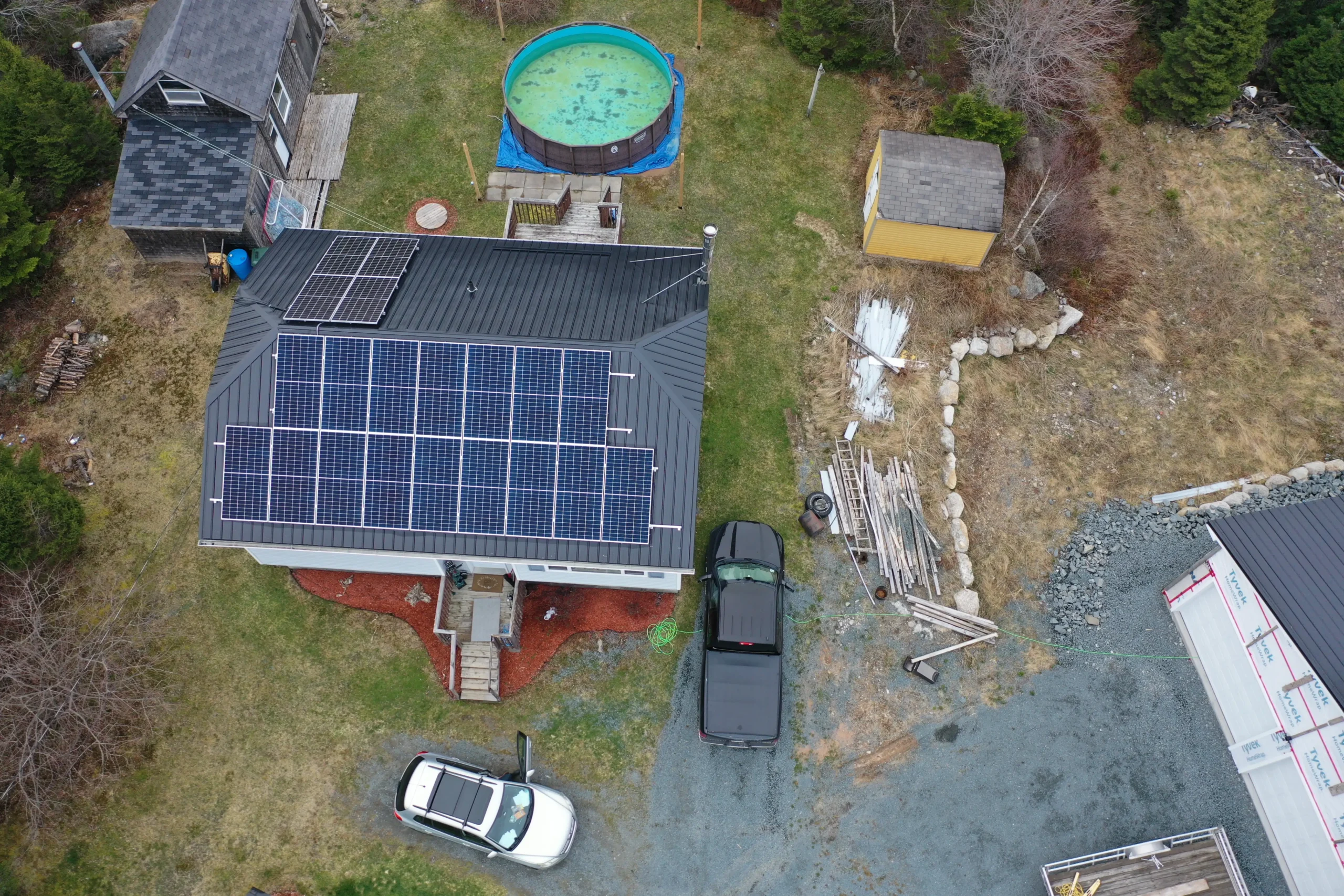
Solar Panels Halifax, Nova Scotia
Rooftop solar and battery installation for homeowners across HRM, backed by an in-house crew and full Solar City PACE financing support.
Why HRM Has Some of the Strongest Solar Economics in Atlantic Canada
The capital region benefits from a rare combination of factors. Homeowners here have full access to Solar City, the municipality's PACE financing program, alongside the largest concentration of experienced installers in the province and roof stock, largely 1970s through 2010s suburban builds, that lends itself well to clean panel layouts.
Solar City runs on a fixed rate over a 10-year term, with repayment added to the property tax bill as a Local Improvement Charge rather than a personal loan. Eligibility depends on being current on municipal property tax and having sufficient equity, and the program covers both standalone solar and combined solar plus battery installations.
According to Natural Resources Canada production modelling, a properly oriented south-facing array in this part of the province generates roughly 1,073 to 1,100 kWh per year for every kW installed. A 10 kW system therefore produces somewhere around 11,000 kWh annually, enough to fully offset a typical four-person household running a heat pump on NS Power's standard residential tariff.
Net metering credits every exported kilowatt-hour at the full retail rate, with surplus credits rolling over for 12 months before they are forfeited. That rollover window is why we size systems around a household's actual usage rather than the roof's maximum physical capacity.
Neighbourhoods and Corridors We Work In
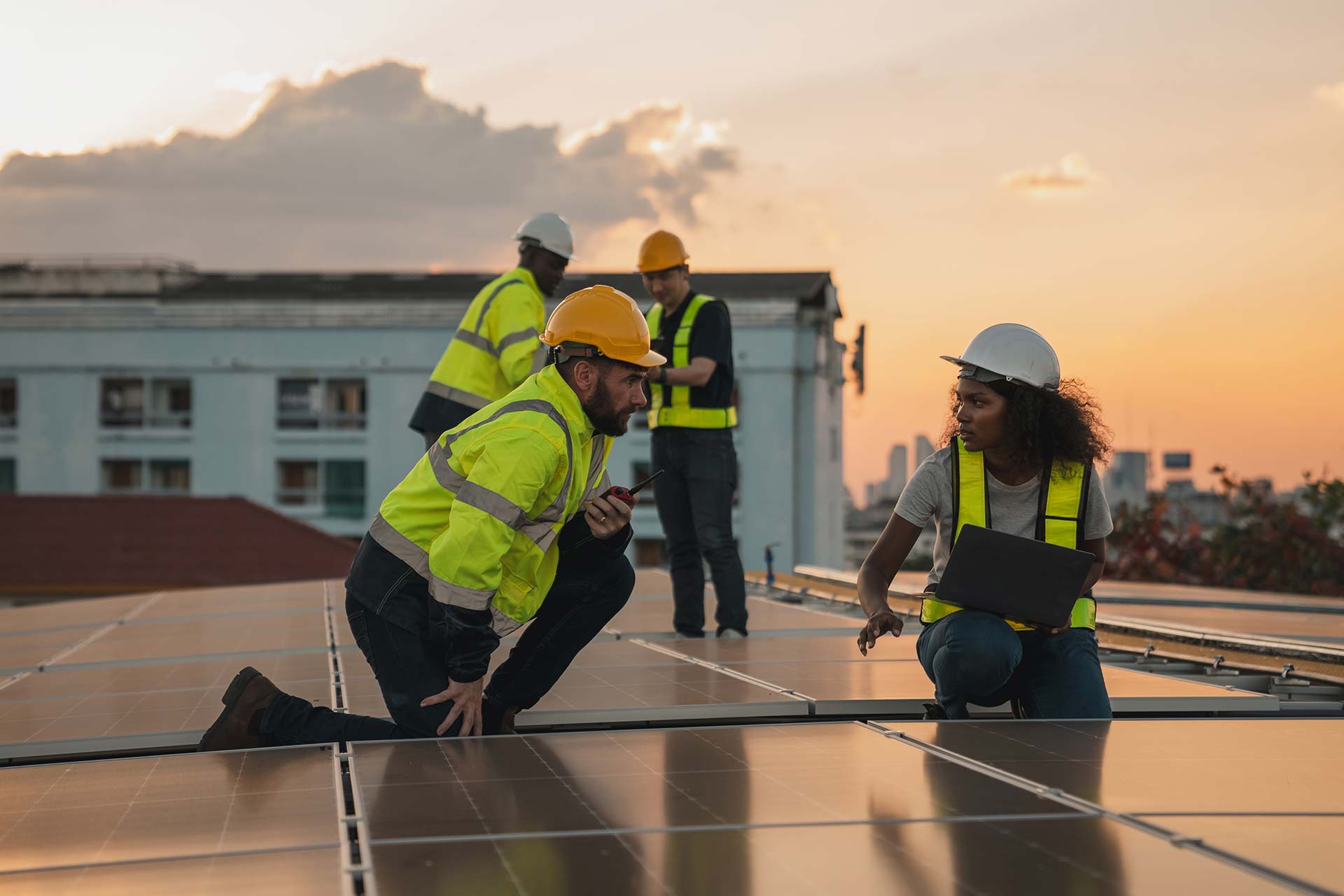
Our crews cover the full HRM footprint, from the peninsula and the Bedford Basin out through Clayton Park, Fairview, and Spryfield, plus the commuter belt along Highway 102 and the Bedford Highway. We handle the HRM building permit application and NS Power interconnection paperwork directly, so homeowners are not chasing two separate approvals.
What It Costs and When It Pays Off
Figures below reflect a typical 10 kW system sized for this area. Your exact numbers depend on your roof, usage, and financing choice.
Illustrative cumulative cost comparison based on current NS Power residential rates and continued average annual rate increases. Actual costs depend on your roof, usage, financing, and applicable incentives.
| Program | Terms | Notes |
|---|---|---|
| NS Power Net Metering | 1:1 retail rate, 12-mo rollover | Applies province-wide |
| Halifax Solar City (PACE) | 4.75% fixed / 10-yr term | HRM property owners, repaid via property tax |
What a Typical HRM System Looks Like
Most Halifax-area homes we quote fall somewhere between 6 kW and 12 kW, depending on roof size and household usage. A three-bedroom home with standard electric baseboard heat and an average NS Power bill around $200 a month typically lands close to 7 to 8 kW. Add a heat pump, an electric water heater, and an EV in the driveway, and that number climbs toward the 10 to 12 kW range to keep offset meaningful.
Roof geometry on the peninsula and in older HRM neighbourhoods varies more than it does in newer subdivisions. Century homes in the North End and parts of Dartmouth often have dormers, chimneys, and multiple roof planes that cut usable panel area, while 1990s and 2000s builds through Clayton Park and Bedford tend to offer a single clean south or west-facing slope that simplifies the layout considerably.
We size every system against 12 months of actual NS Power billing history rather than a square-footage estimate, since HRM's mix of housing stock means two homes on the same street can need very different system sizes depending on heating type, roof shading, and household occupancy.
10 kW System in Bedford on Solar City
Client name changed. Results vary based on individual circumstances. Prior results do not guarantee similar outcomes.
What We Install in the Area
Common Questions From Local Homeowners
Other Areas We Also Serve
Official Local and Provincial Links
Get Your Halifax Solar Estimate
Send a recent NS Power bill and our team will model your roof, factor in Solar City eligibility, and follow up with transparent numbers.
Get Your Free EstimateOr call directly: (888) 868-8529