Battery Storage for Nova Scotia Homes and Businesses
Keep the lights, heat, and well pump running through a storm outage, and get more value out of the solar you already produce.
What a Home Battery Actually Does for You
A home battery stores electricity, either from your solar array or from the grid during off-peak periods, and releases it when you need it most. In Nova Scotia, that most often means one thing: keeping essential circuits running when NS Power goes down during a winter storm or a post-tropical system.
Outage frequency varies a lot across the province. Rural feeders in Cape Breton and parts of the Annapolis Valley see meaningfully more downtime than the tighter grid around Halifax, which is part of why battery attach rates run higher on our island installations than anywhere else in our service area.
Paired with solar, a battery also lets you shift when you use your own production. Instead of exporting surplus daytime solar to the grid for a net metering credit, some homeowners prefer to bank it in a battery and draw it down in the evening, particularly on properties where backup power matters as much as savings.
Battery Systems We Work With
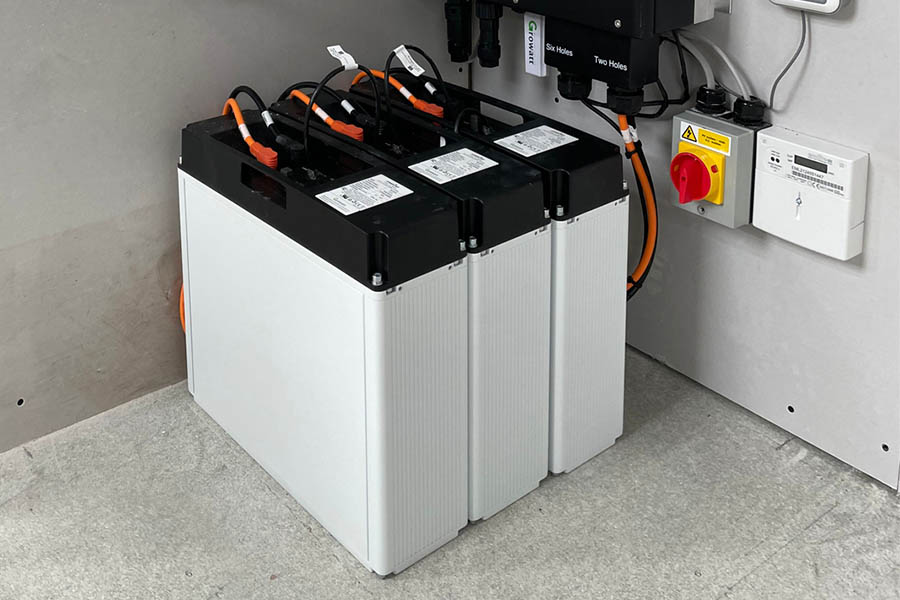
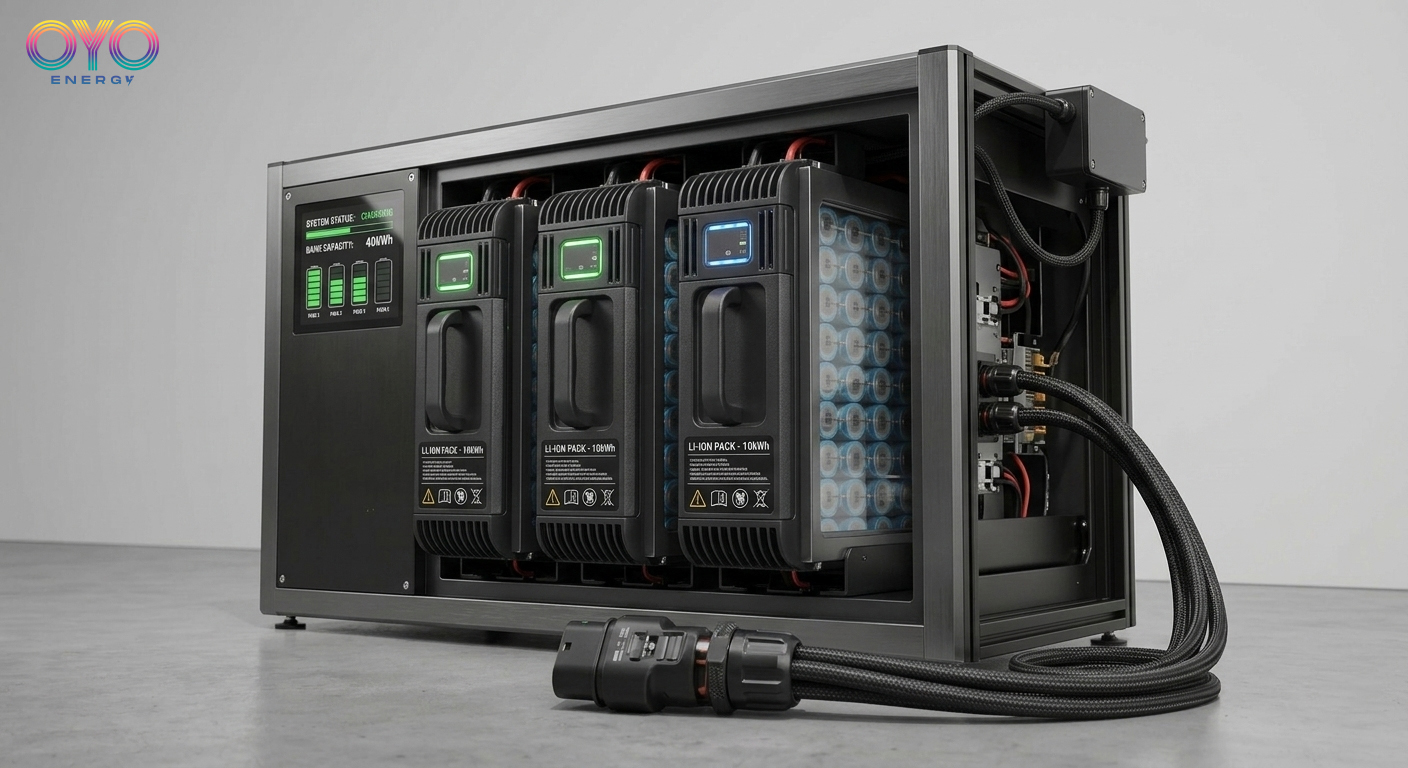
- Whole-home backup batteries: sized to run your entire electrical panel, including heat and well pump, through an extended outage.
- Partial backup batteries: a smaller, lower-cost option covering essential circuits like refrigeration, lighting, and internet, but not full HVAC load.
- Solar-paired systems: batteries integrated with a new or existing solar array to maximize self-consumption and backup capability together.
- Standalone batteries: for properties without solar that still want backup power charged from the grid during off-peak hours.
Sizing a Battery for Nova Scotia Conditions
We size battery capacity around two things: how long an average outage runs in your area, and which circuits matter most if the grid stays down for two or three days rather than two or three hours. A property with a well pump and electric heat needs a fundamentally different battery than an urban rowhouse on municipal water with gas backup heat.
Nova Scotia's building code and NS Power's interconnection requirements both apply to battery installations the same way they apply to solar, so every project includes permitting and utility coordination handled directly by our crew.
How a Battery Installation Works
A battery installation typically takes less time on-site than a full solar array, often a single day for a standalone battery or an additional half-day if paired with an existing or new solar system. Most of the project timeline sits in permitting and interconnection rather than the physical work itself, since NS Power reviews battery-inclusive systems as part of the same interconnection process used for solar.
We start with a load assessment to confirm which circuits you want backed up, either your full panel or a subset covering essential loads. From there we size the battery, select whether it pairs with new or existing solar, and submit the electrical permit alongside the NS Power interconnection request. Once approved, installation, commissioning, and a walkthrough of the monitoring app typically wrap up in one visit.
How We Size Your Battery
Battery sizing comes down to two questions: which circuits need to stay powered, and for how long. A partial backup battery covering lighting, refrigeration, and internet might run 10 to 15 kWh of usable capacity. A whole-home battery sized to carry electric heat and a well pump through a multi-day outage often needs 20 kWh or more, sometimes split across multiple battery units working together.
We also factor in whether the battery pairs with solar. A solar-charged battery can recharge during daylight hours even mid-outage, which effectively extends runtime compared to a standalone battery relying only on its initial charge. For properties in higher-outage areas like rural Cape Breton or parts of the Annapolis Valley, we lean toward larger reserve capacity and prioritize recharge speed in the system design.
Battery Permitting in Nova Scotia
Battery installations fall under the same provincial electrical code as solar, and most municipalities review a battery-inclusive project through the same building permit process used for solar-only installs. NS Power's interconnection application includes a section specifically for battery systems, since batteries can affect how a system interacts with the grid during both normal operation and outages, which the utility reviews as part of standard commissioning.
Fire code and placement requirements vary slightly by battery chemistry and capacity. Most residential lithium battery installations can go in a garage, basement, or dedicated utility space without special ventilation requirements, though larger whole-home systems sometimes need specific clearance distances from doors, windows, and habitable rooms. We confirm placement requirements as part of the site assessment so there are no surprises once the system arrives for installation.
Whole-Home Backup on a Rural Cape Breton Feeder
Client name changed. Results vary based on individual circumstances. Prior results do not guarantee similar outcomes.
Common Battery Storage Questions
What's Covered After Installation
Most lithium battery systems we install carry a 10-year manufacturer warranty covering both the battery cells and the inverter component, backed by our own workmanship warranty on the installation and any associated electrical work. Battery systems are largely maintenance-free, with performance and any fault conditions visible through the monitoring app rather than requiring manual inspection.
We recommend an annual system check as part of routine maintenance, mainly to confirm firmware is current and backup functionality is working as expected, since a battery that has never actually been tested during a real outage is the one homeowners worry about most.
Find the Right Battery Size for Your Property
Tell us about your outage history and which circuits matter most, and we will size a system around real backup needs, not a generic package.
Get Your Free Estimate