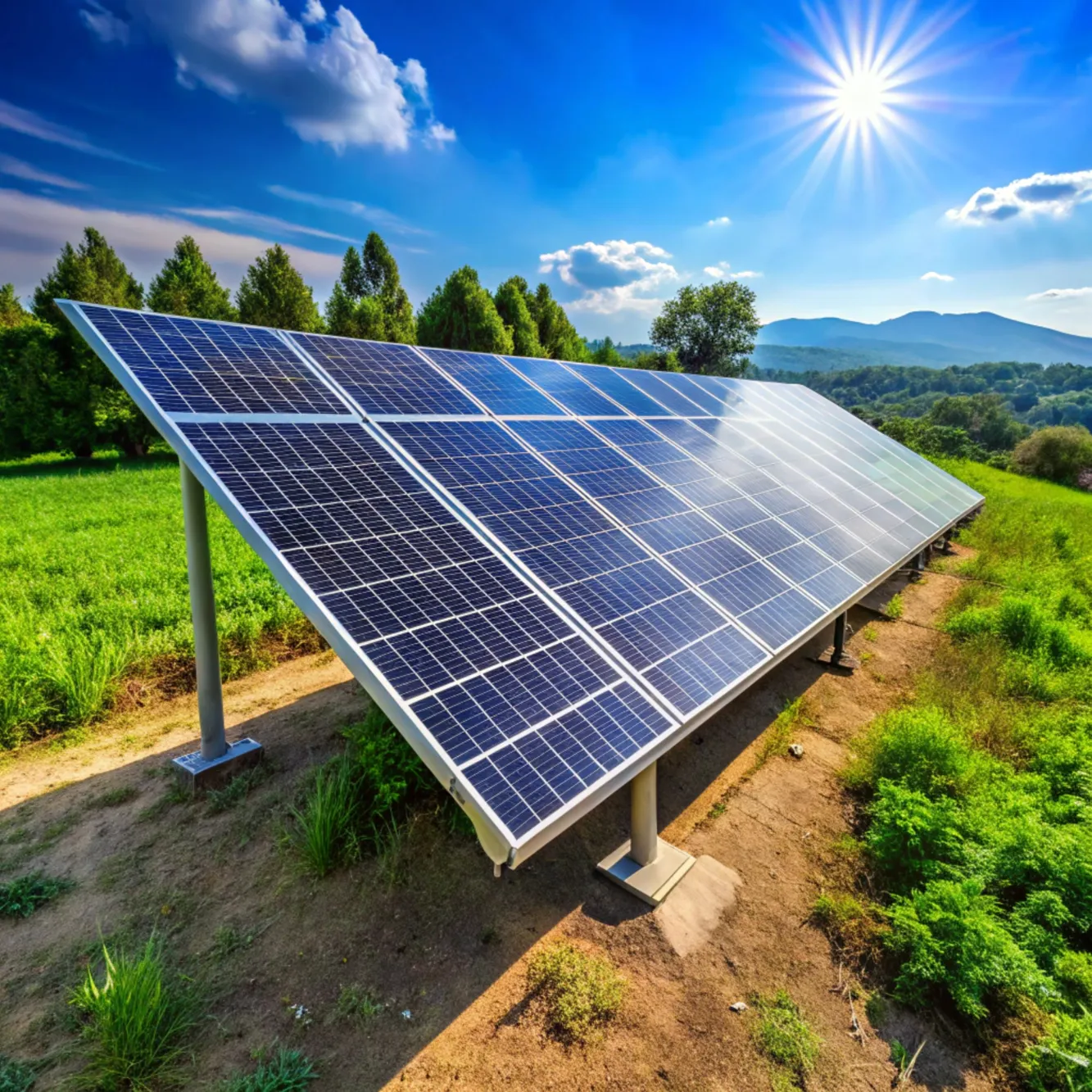
Solar Panels Annapolis Valley, Nova Scotia
Residential and farm solar across Kings and Annapolis Counties, from Wolfville and New Minas out toward Middleton and Annapolis Royal.
Agricultural Land, Larger Roofs, and Some of the Best Sun Exposure in the Province
The Valley sits in a rain shadow created by the North and South Mountains, which gives this region measurably more sunny days per year than the coastal parts of the province. That climate advantage translates directly into stronger solar production, and it is one reason we see some of the highest per-kW output figures in our entire service area on Valley installs.
Property types here run differently than in HRM. A large share of our Valley projects are farm buildings, orchard operations, and acreage homes with barn or outbuilding roofs that offer far more usable surface area than a typical suburban rooftop. That changes the sizing conversation: we are often designing toward a household or operation's peak usage rather than working around a roof's square footage limit.
Municipal PACE financing coverage varies by county here more than it does in HRM, so eligibility and terms get confirmed on a per-property basis rather than assumed. Net metering rules are set provincially by NS Power and apply the same 1:1 crediting with a 12-month rollover regardless of which municipality a property sits in.
Neighbourhoods and Corridors We Work In
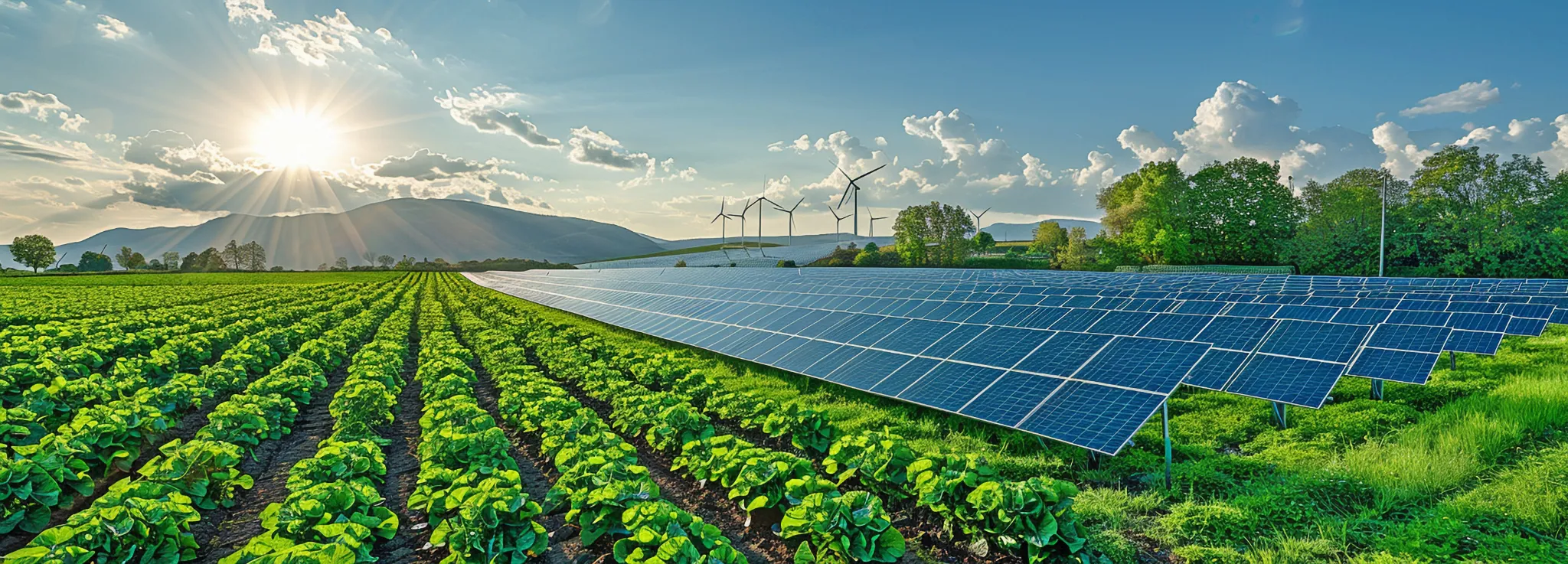
We regularly install through Wolfville, New Minas, Kentville, and Berwick, and further west toward Middleton and Annapolis Royal. Farm and orchard properties along the Valley's back roads are some of our most common commercial-scale projects, where irrigation pumps, cold storage, and processing equipment create year-round electrical loads worth offsetting. The Valley's agricultural calendar also shapes scheduling somewhat, with farm clients often preferring installation windows outside peak harvest season.
What It Costs and When It Pays Off
Figures below reflect a typical 8 kW system sized for this area. Your exact numbers depend on your roof, usage, and financing choice.
Illustrative cumulative cost comparison based on current NS Power residential rates and continued average annual rate increases. Actual costs depend on your roof, usage, financing, and applicable incentives.
| Program | Terms | Notes |
|---|---|---|
| NS Power Net Metering | 1:1 retail rate, 12-mo rollover | Applies province-wide |
| Kings/Annapolis County PACE | varies by municipality / 10-yr typical | Confirm current terms for your specific municipality |
What a Typical Valley System Looks Like
Residential systems in towns like Wolfville, New Minas, and Kentville generally run in the same 6 kW to 10 kW range we see across most of the province, sized around household usage and roof orientation. Where the Valley diverges is on agricultural properties, where system sizes routinely climb past 15 kW once irrigation pumps, cold storage rooms, or processing equipment enter the load calculation.
Barn and outbuilding roofs frequently outperform house roofs for solar in this region, both in usable surface area and in structural capacity to carry panel loads without reinforcement. Many working farms end up with two separate arrays, a smaller residential system on the house and a larger commercial-scale array on a barn or equipment shed, each metered and sized for its own load profile.
The Valley's rain shadow climate advantage means a well-oriented array here can outproduce an identical system installed on the coast, which occasionally lets us size slightly smaller than we would for the same household load in Halifax or on the South Shore while still hitting comparable offset percentages.
Municipal financing coverage in the Valley is more fragmented than HRM's single Solar City program. Kings County and Annapolis County municipalities each set their own terms where a PACE-style product exists at all, so we treat every Valley quote as its own financing research project rather than assuming a blanket program applies across the whole region.
Barn-Mounted Array on an Orchard Property Near Wolfville
Client name changed. Results vary based on individual circumstances. Prior results do not guarantee similar outcomes.
What We Install in the Area
Common Questions From Local Homeowners
Official Local and Provincial Links
Get Your Annapolis Valley Solar Estimate
Whether it's a house roof or a barn, send us your property details and recent electricity usage and we'll model real numbers for your operation.
Get Your Free EstimateOr call directly: (888) 868-8529