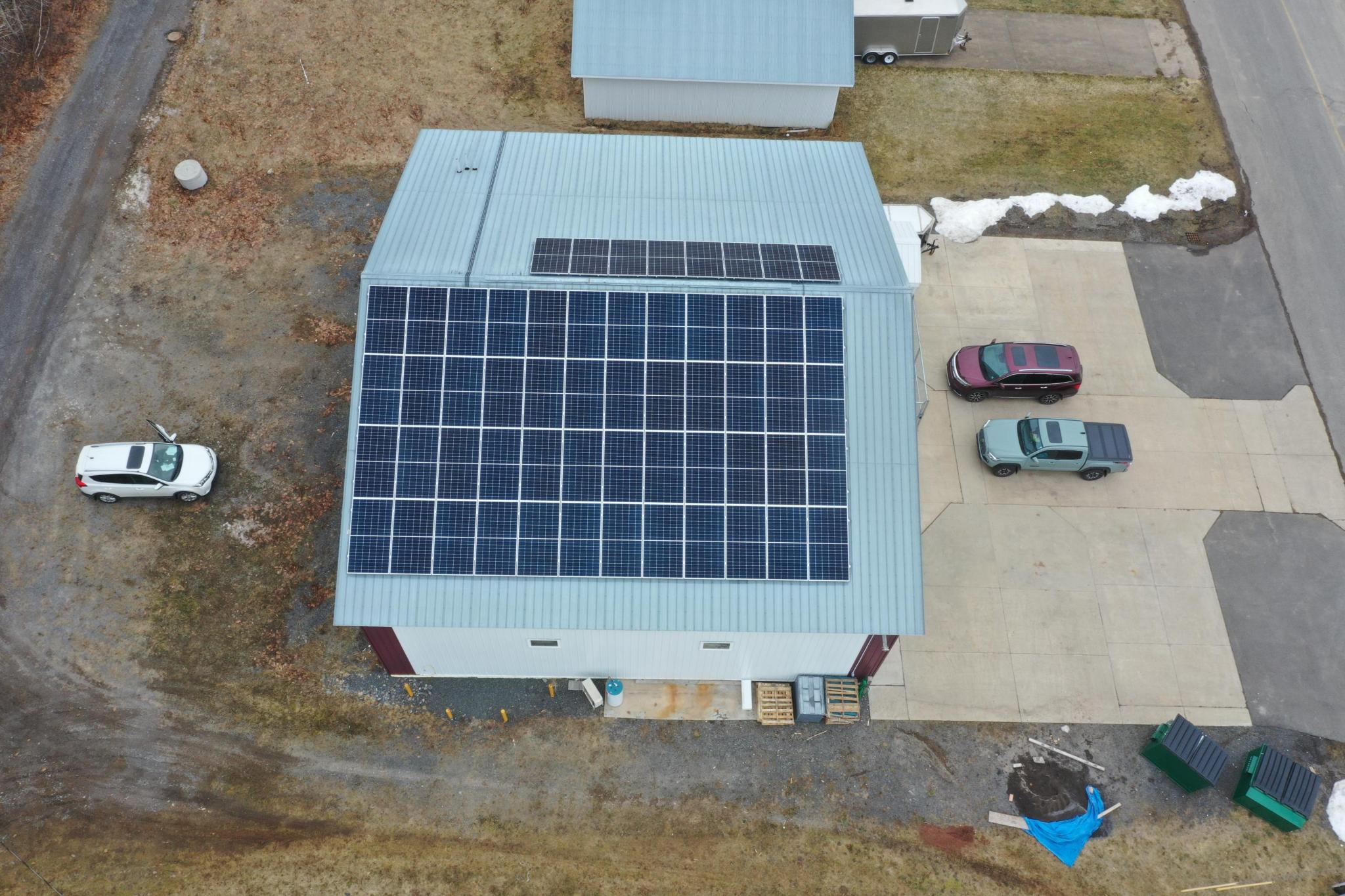
Commercial Solar for Nova Scotia Businesses
Rooftop and ground-mount solar for offices, warehouses, and farm operations, sized around your actual load profile and eligible for federal commercial incentives.
Offsetting Predictable Daytime Loads
Commercial properties tend to be excellent solar candidates for a simple reason: most businesses use the bulk of their electricity during daylight hours, which is exactly when a solar array produces the most. Offices, warehouses, and retail spaces with consistent nine-to-five operating loads see some of the fastest paybacks we quote.
Nova Scotia businesses have access to the federal Clean Technology Investment Tax Credit on eligible equipment, in addition to NS Power's commercial net metering program, which credits exported power the same 1:1 way it does for residential accounts. Together, those two programs change the payback math significantly compared to a business installing solar without either one.
Commercial System Types
Rooftop Arrays
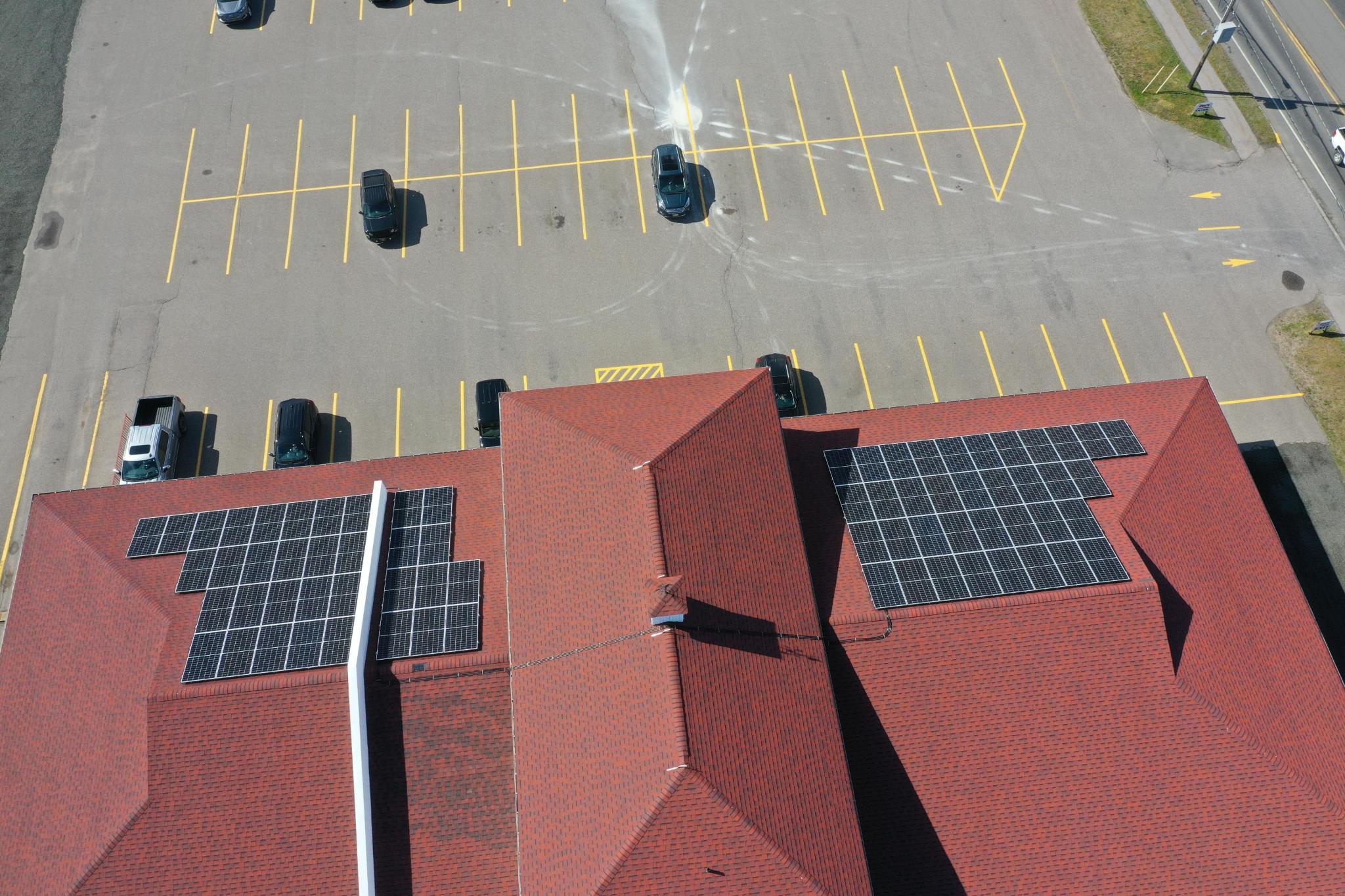
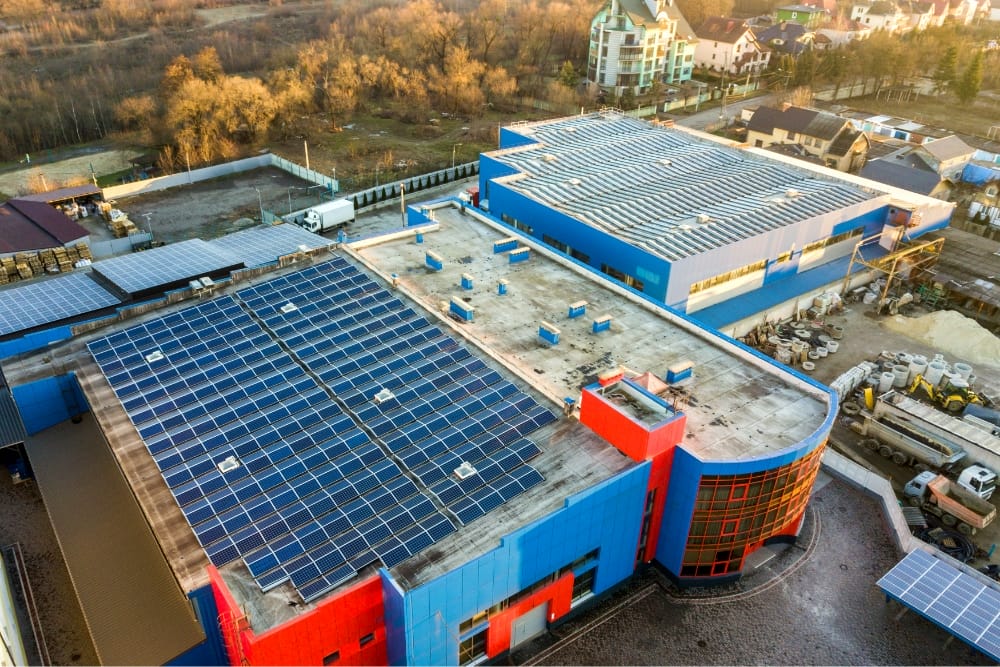
Flat and low-slope commercial roofs on offices, retail buildings, and warehouses, using ballasted or mechanically attached racking.
Ground-Mount Farm Systems
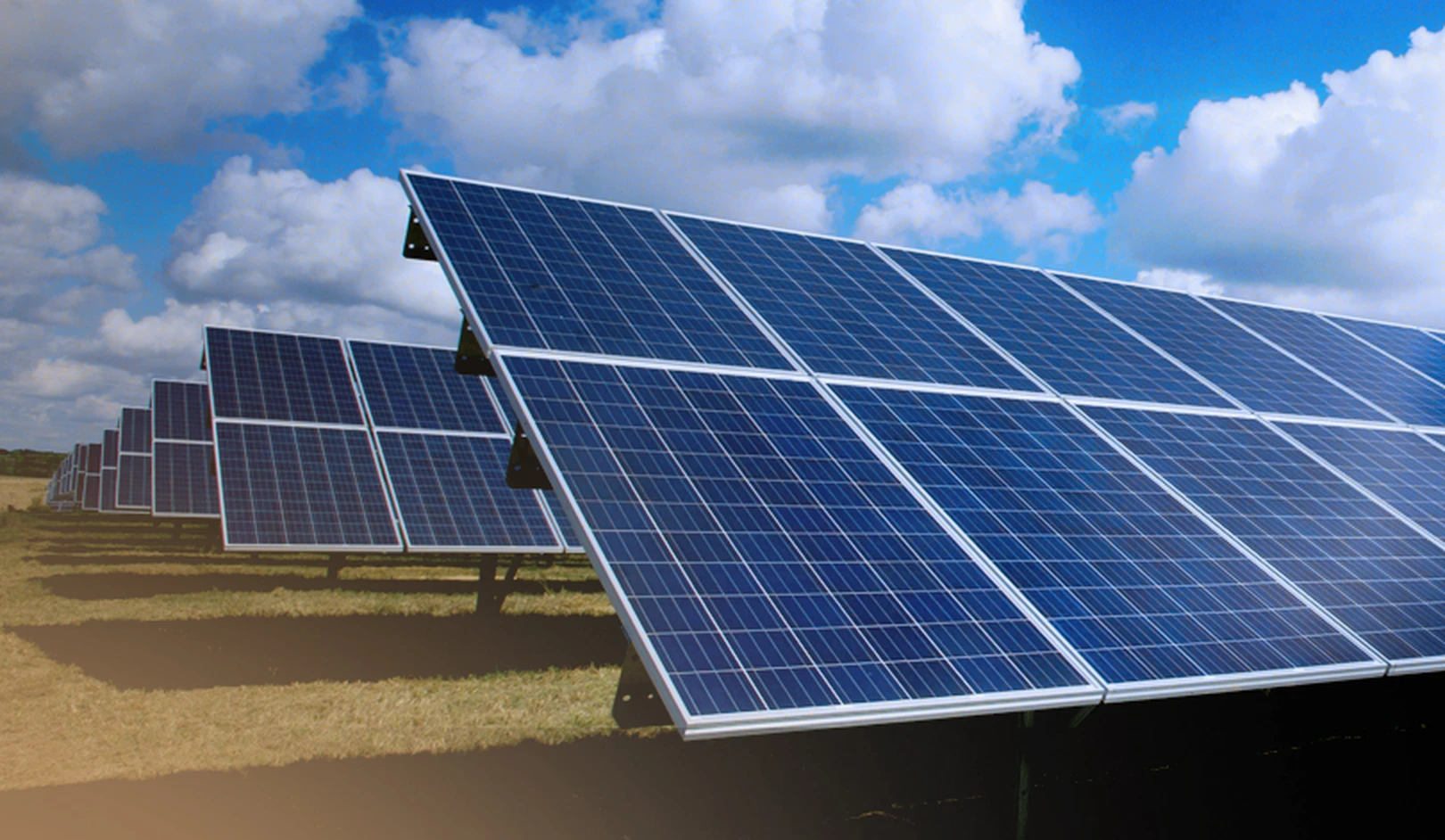
Larger arrays on agricultural land or open acreage, often sized to offset irrigation, cold storage, or processing equipment loads.
Solar Plus Commercial Battery
Battery storage for businesses that need backup power for critical systems, or that want to shift consumption away from peak demand charges.
Monitoring and Reporting
Production dashboards that make it straightforward to report on energy offset for sustainability disclosures or tenant reporting.
How a Commercial Project Runs
- Load and site review. We review 12 months of billing history alongside a roof or land assessment to understand your actual usage pattern, not just peak demand.
- System design and financial modelling. We size the array to your load profile and model both the federal ITC and NS Power's commercial net metering impact on payback.
- Permitting and utility coordination. Our team manages the municipal permit and NS Power interconnection application directly.
- Installation. Our own licensed crew completes the install, coordinated around your business's operating hours to minimize disruption.
- Commissioning and handoff. Once NS Power signs off on interconnection, we walk your team through the monitoring dashboard and reporting tools.
Commercial Permitting and Interconnection
Commercial solar permitting typically involves more documentation than a residential project, since municipal building departments and NS Power both apply closer scrutiny to larger systems. Depending on your building's zoning and the system's total capacity, you may also need a structural engineer's assessment confirming the roof can carry the array's weight, particularly on older commercial buildings where original construction drawings did not anticipate rooftop solar loads.
NS Power's commercial interconnection review process runs on a similar timeline to residential, roughly two to four weeks, but larger systems above certain capacity thresholds can trigger additional utility study requirements that extend the timeline further. We flag this possibility during the initial quote so you can plan your project schedule around realistic utility timelines rather than an optimistic best case.
We manage the full permitting and interconnection process directly, including coordinating any required structural assessment, submitting the commercial building permit, and preparing the electrical documentation NS Power requires for a commercial-scale interconnection.
How Nova Scotia Businesses Typically Finance Commercial Solar
Most commercial solar projects we quote get financed through one of three paths: a cash purchase using the federal Clean Technology Investment Tax Credit to offset a meaningful share of the upfront cost, a commercial equipment loan through the business's existing bank relationship, or in some cases a municipal PACE-style program where the business's property tax account is eligible.
The right choice depends heavily on your business's cash position and how quickly you want to see the tax credit benefit realized. Businesses with strong current cash flow often prefer a cash purchase to maximize the net present value of the ITC, while growing businesses sometimes prefer financing to preserve working capital, accepting a modestly longer payback period in exchange for keeping cash available for other priorities.
How We Size a Commercial System
Commercial sizing starts with 12 months of billing history, the same way our residential process does, but the load profile is usually more consistent day to day, which makes the math more predictable. We look at peak demand, monthly kWh usage, and your NS Power commercial rate class, since commercial accounts often carry demand charges that residential accounts do not.
Office and retail buildings with standard operating hours typically size toward offsetting 60 to 80% of annual usage, since load and production line up closely during business hours. Warehouses and industrial buildings with equipment running outside daylight hours, or with cold storage and refrigeration loads, sometimes offset a smaller percentage of total usage but still see a strong payback given the scale of the system a large roof can support.
For roof-constrained sites, we also evaluate ground-mount options on adjacent land where available, particularly for warehouse and industrial clients with excess property around the building.
Why Nova Scotia Businesses Choose OYO Energy
Where Commercial Solar Makes the Most Sense in Nova Scotia
We see the strongest commercial demand in the industrial and business parks around Halifax and Bedford, where flat-roofed warehouses and office buildings offer large, unobstructed roof area and consistent daytime electrical loads. Burnside Industrial Park and similar zoned commercial areas across HRM are common sites for the ballasted racking systems we specify on flat membrane roofs.
Agricultural and processing businesses across the Annapolis Valley represent a different but equally strong commercial category, where cold storage, irrigation, and packing equipment create substantial daytime and even overnight loads that a well-sized system can meaningfully offset. We treat these as commercial projects rather than residential ones given the scale and equipment involved, even when the property also includes a farmhouse.
Rooftop Array at a Halifax Office Building
Client name changed. Results vary based on individual circumstances. Prior results do not guarantee similar outcomes.
Common Commercial Solar Questions
What's Covered After Installation
Commercial systems carry the same manufacturer coverage as residential installs, panels at 30 years, inverters at 20 to 25 years, and racking at 20 years, backed by our own workmanship warranty on the installation itself. For larger commercial arrays, we also offer optional production monitoring service agreements that flag underperformance issues before they show up as a meaningful revenue loss on your energy bill.
Maintenance needs stay minimal for most commercial installs, though larger flat-roof arrays sometimes benefit from an annual visual inspection as part of routine building maintenance, particularly after major storms. We can coordinate this alongside your existing building maintenance schedule if useful.
Get a Commercial Solar Quote
Send us 12 months of billing history and a few details about your roof or property, and we will model real numbers for your business.
Get Your Free Estimate