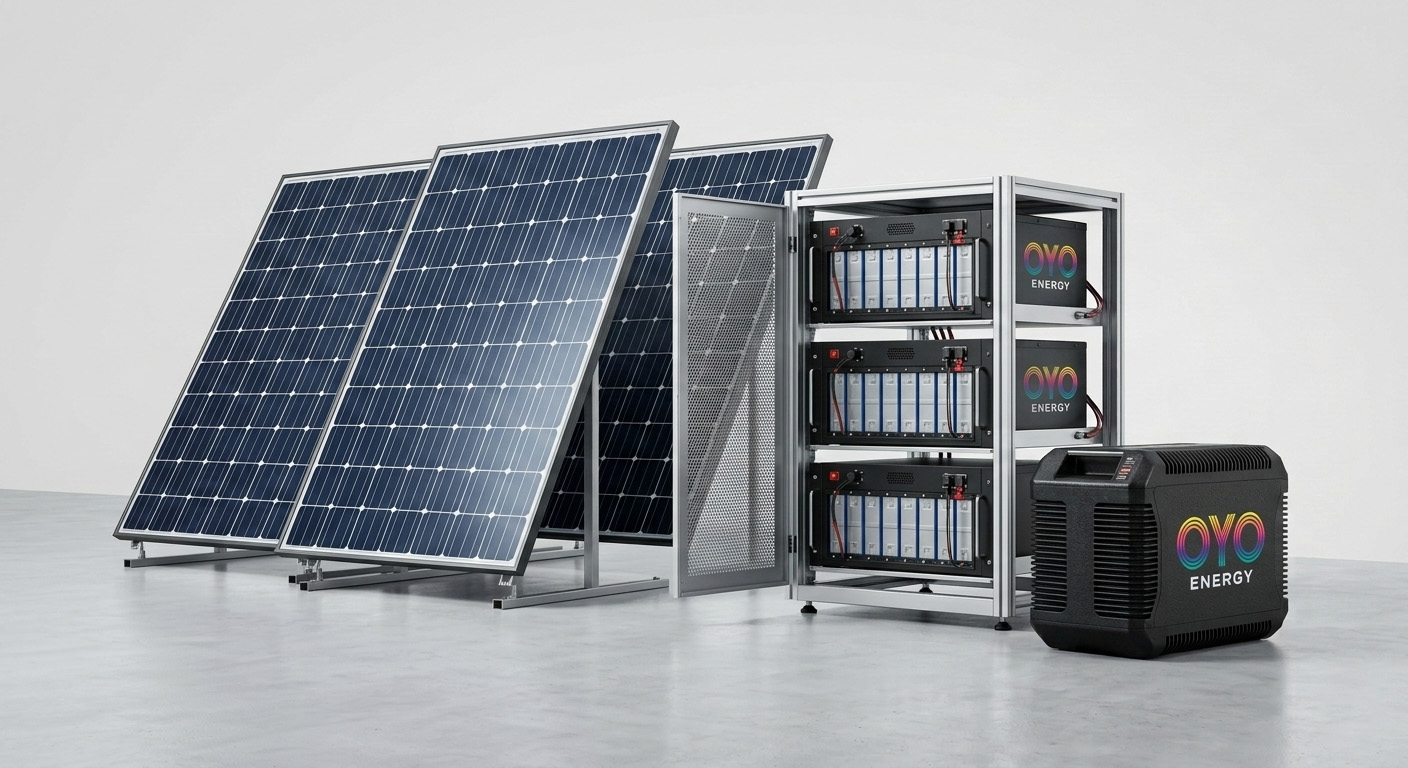
Solar Plus Battery Systems in Nova Scotia
Maximize what you save on every kilowatt-hour you produce, and keep your home running when NS Power goes down.
Solar Handles the Savings, Battery Handles the Outages
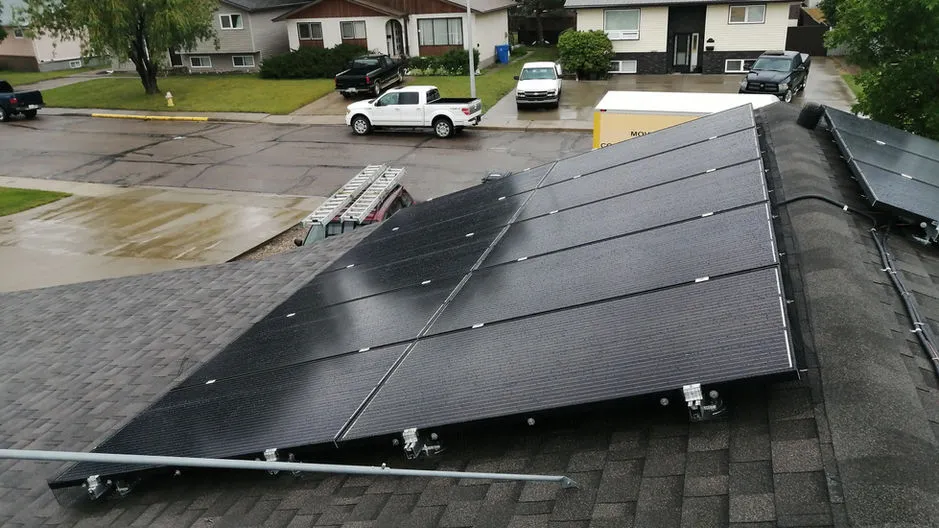
Solar alone offsets your NS Power bill. A battery alone provides backup power. Combined, a solar plus battery system does both at once: your panels charge the battery during the day, and that stored energy either shifts your own consumption into the evening or keeps essential circuits running if the grid goes down.
This combination matters most in areas with less reliable grid service. Rural feeders across Cape Breton and parts of the Annapolis Valley see more frequent winter outages than the tighter grid around Halifax, which is why we see a higher share of solar plus battery installs in those areas compared to solar-only requests in HRM.
Two Ways to Configure a Combined System
Self-Consumption Priority
The battery charges first from solar production, and only surplus beyond the battery's capacity exports to the grid for a net metering credit.
Backup Priority
The battery stays reserved near full charge for outage protection, with solar production exporting more freely for net metering credits day to day.
We configure the system around whichever priority matters more to you. Some homeowners want maximum bill savings and treat backup as a bonus. Others, particularly on rural properties with well pumps or electric heat, want backup reliability first and treat savings as secondary.
Combined Systems and PACE Financing
Most municipal PACE programs, including Solar City in HRM, cover combined solar plus battery installations under the same financing terms as solar alone. That means a homeowner can typically add battery backup without a separate loan or a larger down payment, financed together through the property tax bill.
Sizing a Combined System
Solar plus battery sizing starts the same way solar-only sizing does, against 12 months of NS Power billing history, but adds a second variable: how much battery reserve you actually need. We size the solar array to your usage first, then layer battery capacity on top based on which circuits matter most during an outage and how long a typical outage runs in your area.
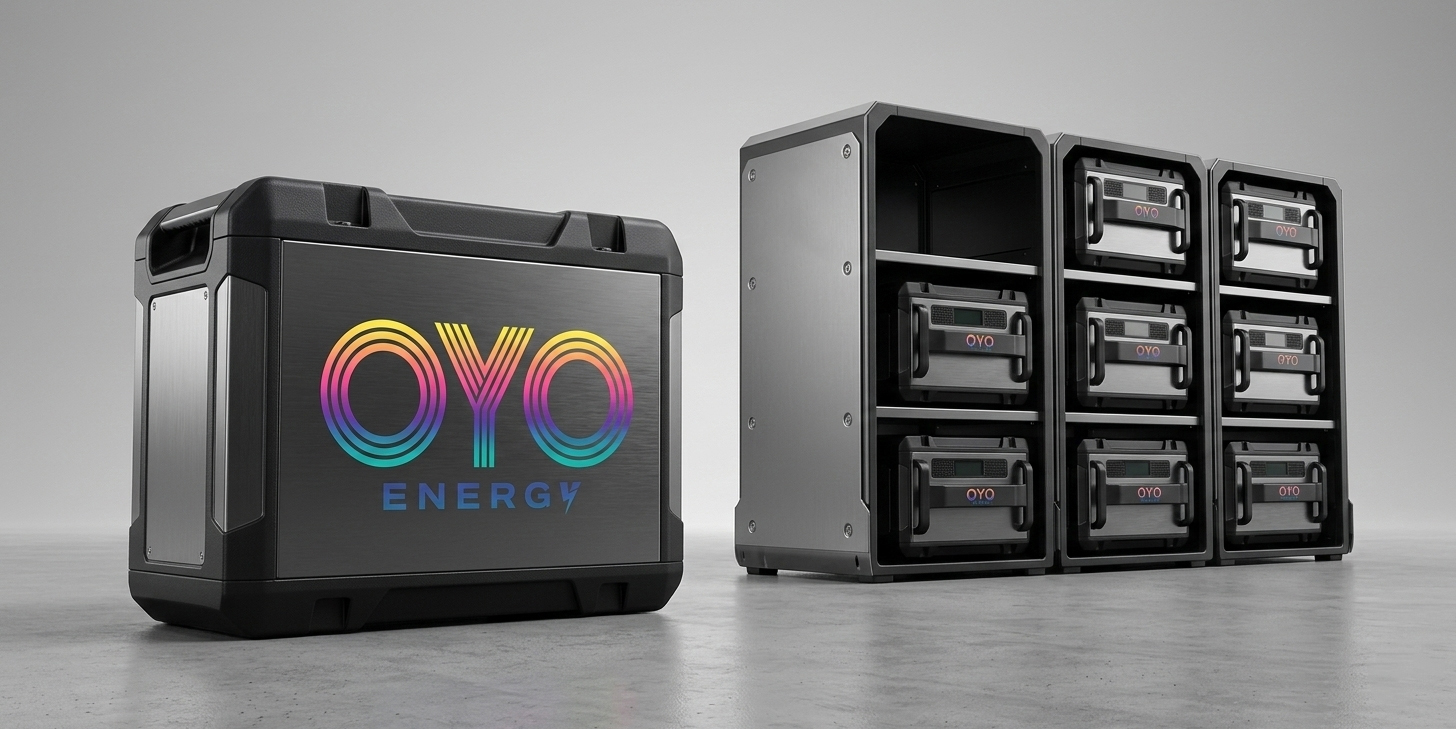
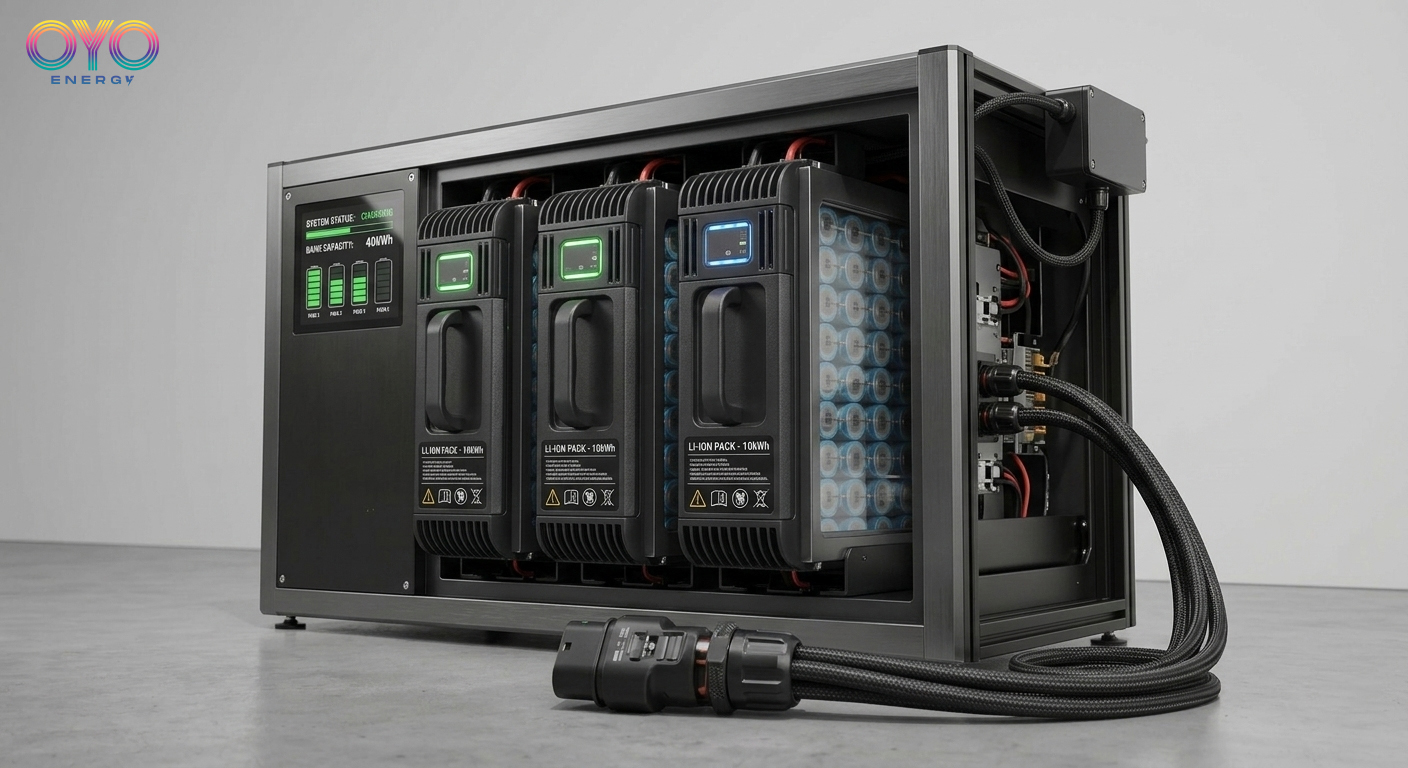
Most residential combined systems we quote land between 7 kW and 11 kW of solar paired with 10 to 20 kWh of battery capacity, though rural properties prioritizing whole-home backup sometimes need larger battery banks regardless of solar array size. The two components get sized somewhat independently: solar handles daily offset and bill savings, while battery capacity handles resilience, and a property with modest electricity usage but a strong need for backup power might end up with a smaller array and a larger battery than usage alone would suggest.
Where Combined Systems Make the Most Sense
We see the strongest demand for combined systems on rural properties across Cape Breton, the Annapolis Valley, and parts of the South Shore, where longer NS Power feeders mean more frequent and longer outages than the denser grid infrastructure around Halifax and Bedford. Properties with well pumps, electric heat, or home-based businesses that cannot tolerate downtime are the clearest candidates for prioritizing backup capability alongside solar savings.
Why Nova Scotia Households Choose a Combined System
How a Combined Installation Works
- Load and outage assessment. We review your NS Power usage history and, if backup power matters, discuss which circuits need to stay powered during an outage.
- System design. We size the solar array around usage and the battery around backup needs, then decide together whether to configure for self-consumption priority or backup priority.
- Permitting and interconnection. We submit the building permit and NS Power interconnection application covering both the solar and battery components as one combined system.
- Installation. Our crew installs solar, battery, and any required electrical panel work in a single coordinated visit rather than two separate trips.
- Commissioning. We test the system under both grid-connected and simulated outage conditions before handing off the monitoring app and answering any final questions.
Solar Plus Battery on a Working Farm
Client name changed. Results vary based on individual circumstances. Prior results do not guarantee similar outcomes.
Common Solar Plus Battery Questions
What's Covered After Installation
Combined systems carry the same warranty structure as their individual components: 30-year panel warranties, 20 to 25-year inverter coverage, and typically a 10-year battery warranty, all backed by our own workmanship warranty on the full installation. Because solar and battery are commissioned together, we test both components under real load conditions before handoff rather than verifying each in isolation.
Maintenance stays minimal for both halves of the system. The monitoring dashboard tracks solar production and battery state of charge together, which makes it easier to spot an issue with either component early rather than discovering a problem only during the next storm outage.
Build a System Around Savings and Backup Together
Tell us about your usage and outage history, and we will design a combined system that fits both priorities.
Get Your Free Estimate