Off-Grid Solar Systems in Nova Scotia
Full independence from NS Power for cabins, remote properties, and land without an economical utility connection.
No Utility Connection, No Problem
Some Nova Scotia properties sit far enough from the nearest NS Power line that a grid connection would cost more than a self-contained solar and battery system. That is common on rural land in the Annapolis Valley and parts of Cape Breton, and on seasonal cabin properties across the province where a permanent utility hookup was never installed.
An off-grid system generates and stores 100% of its own power, with no NS Power interconnection or net metering involved at all. That means the design math is different from a grid-tied system: instead of sizing around offset percentage, we size around your actual daily load and enough battery reserve to cover multiple cloudy days in a row, which happen more often in a Maritime climate than in sunnier parts of the country.
Components of an Off-Grid System
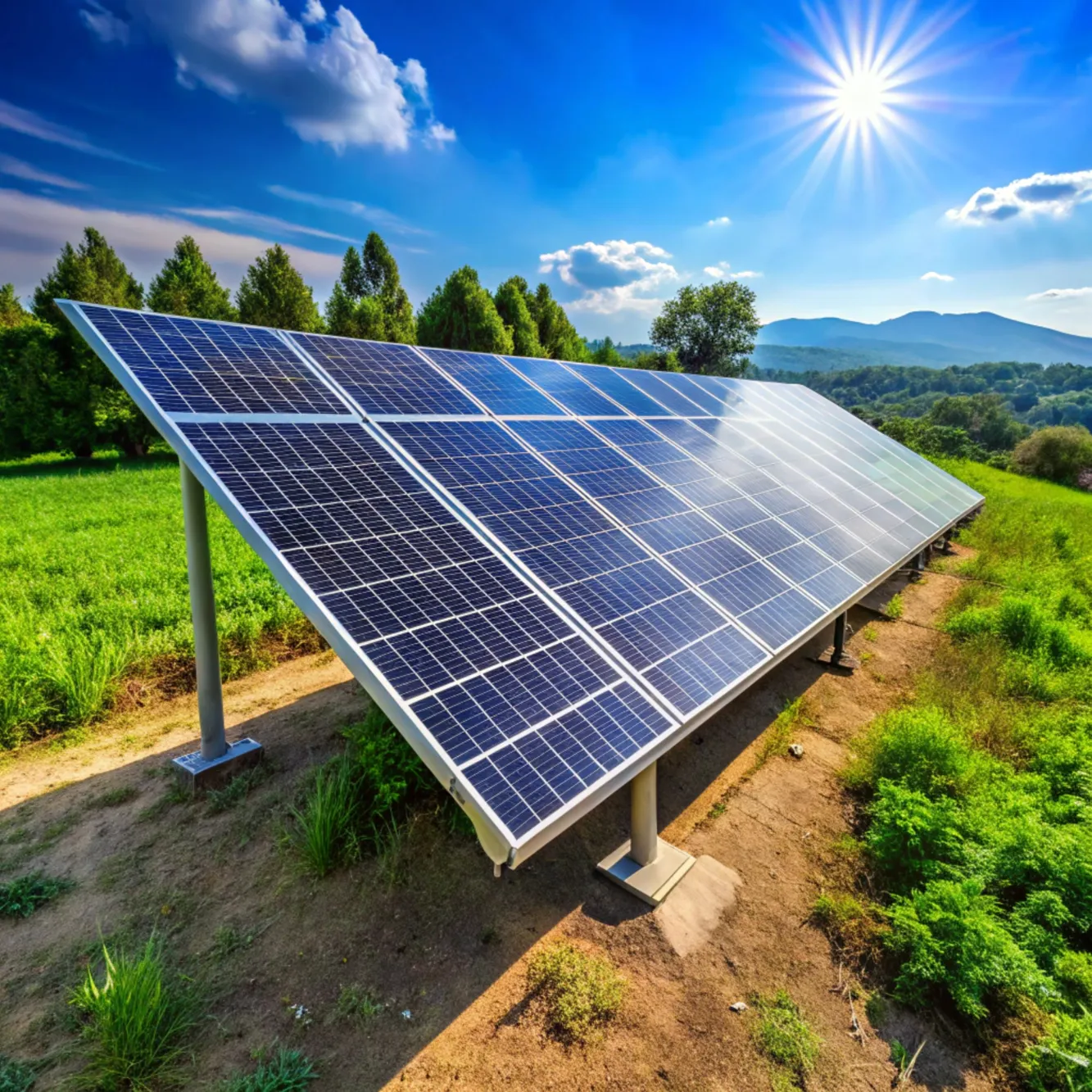
- Solar array: sized well above your average daily load to account for Nova Scotia's cloudier winter months.
- Battery bank: sized for multiple days of autonomy, not just overnight storage.
- Backup generator integration: most off-grid systems include a propane or gas generator as a secondary charging source during extended low-sun periods.
- Inverter and charge controller: equipment sized to handle your full electrical load without a grid connection to fall back on.
Full-Time vs. Seasonal Use
A seasonal cabin used mainly in summer needs a fundamentally different system than a year-round rural home. Summer-only properties can often get away with a smaller battery bank since consistent daylight covers most daily needs. Full-time off-grid living through a Nova Scotia winter, with shorter days and more overcast weather, requires a larger array and battery bank, plus a generator sized to carry the household through extended low-production stretches.
Permits and Considerations for Off-Grid Properties
Off-grid systems still need a local building permit for the electrical installation, even though there is no NS Power interconnection involved. Municipalities across Nova Scotia review off-grid electrical work under the same provincial electrical code as grid-tied systems, so the permitting process is similar in scope even though utility coordination is not part of it.
Propane and gas generator integration typically requires its own separate permit or inspection depending on the municipality and fuel storage volume involved. We coordinate this alongside the electrical permit so property owners are not managing two separate approval processes on their own. Rural properties in the Annapolis Valley and parts of Cape Breton where off-grid systems are most common each have slightly different local requirements, which we confirm during the site visit rather than assuming a one-size-fits-all process.
Well pumps are one of the most common off-grid loads we design around, since many rural Nova Scotia properties without a grid connection also rely on a private well rather than municipal water. Well pump startup draws a significant surge of power compared to its running load, which is a detail we specifically account for when sizing the inverter, since undersizing this component is one of the most common off-grid design mistakes.
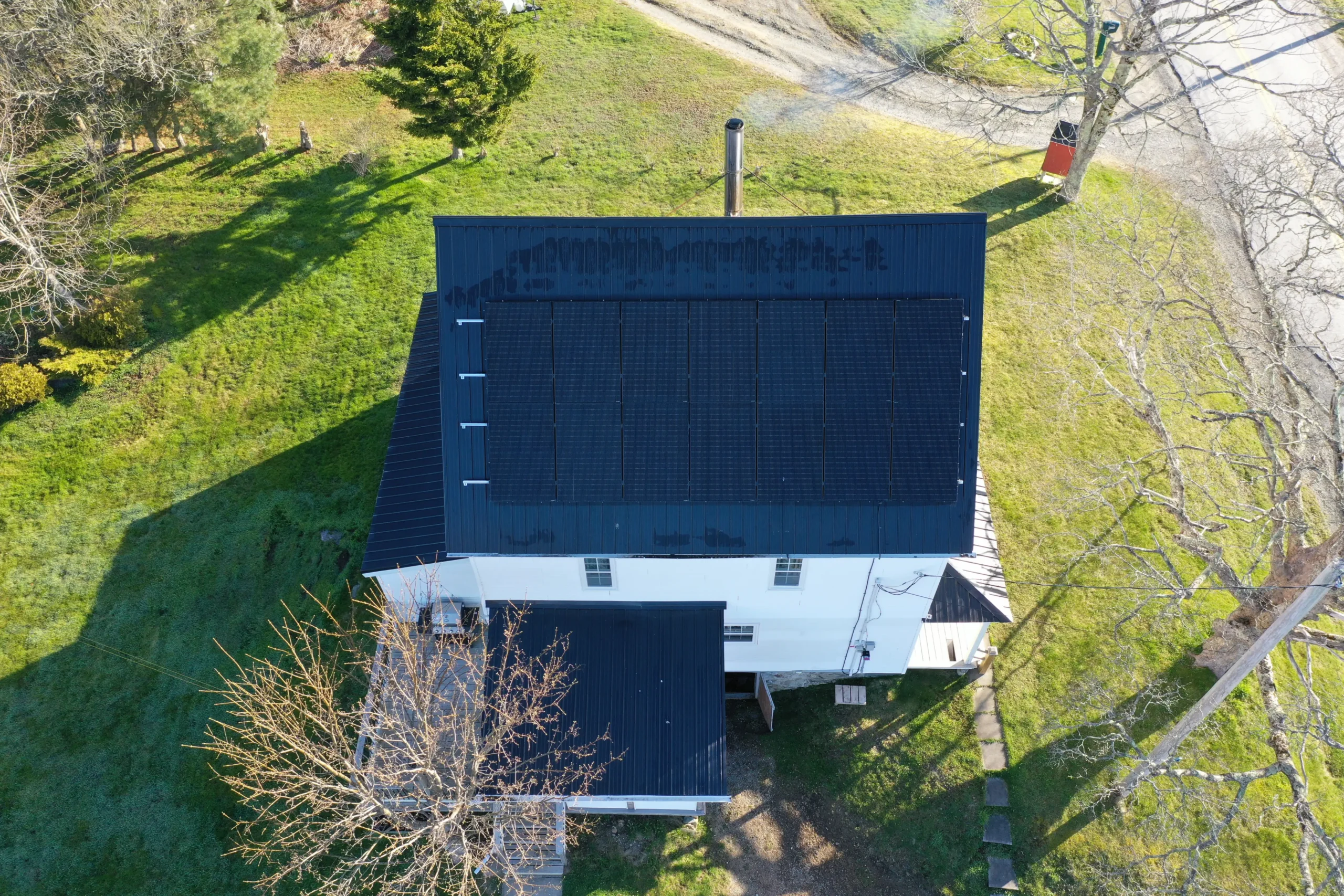
Off-Grid Cabin on the Eastern Shore
Client name changed. Results vary based on individual circumstances. Prior results do not guarantee similar outcomes.
Why Rural Nova Scotia Property Owners Choose OYO Energy
How an Off-Grid Project Runs
- Load assessment. We calculate your household's actual daily electrical usage, including surge loads like well pump startup, since off-grid sizing depends entirely on real consumption rather than a generic estimate.
- System design. We size the solar array, battery bank, and generator together as one system, balancing upfront cost against how much generator runtime you are comfortable with during low-production stretches.
- Permitting. We submit the electrical permit and coordinate any required generator or fuel storage approval with your local building department.
- Installation. Our crew installs the full system on-site, typically over two to three days depending on system size and site access.
- Commissioning and walkthrough. We test the full system under load, confirm generator auto-start functionality, and walk you through monitoring and basic maintenance before we leave.
Common Off-Grid Questions
What's Covered After Installation
Off-grid systems carry the same panel, inverter, and battery warranty structure as grid-tied installs, with the generator typically covered separately under its own manufacturer warranty. Because off-grid systems have no utility to lean on, we lean harder on proactive maintenance than we do for grid-tied installs, an annual generator service and a mid-winter system check are part of what we recommend for every full-time off-grid property.
Battery and solar components are largely maintenance-free day to day, with the monitoring app tracking state of charge and production so a developing issue shows up well before it becomes a problem during an extended low-sun stretch.
Get an Off-Grid System Sized for Your Property
Tell us about your daily electrical needs and whether the property is used seasonally or year-round, and we will design a system built for real Nova Scotia winters.
Get Your Free Estimate